countries
I need to advertise in…
ADVERTISE IN AFRICA
Africa is brimming with possibility. But you’ve got to be in it to win it.
Get Set Go Media’s extensive network of media partners across Southern Africa connects you to targeted advertising opportunities in:

BOTSWANA
Botswana is a regional leader in economic freedom and welcomes foreign investment and trade. It’s a leader on the global stage for economic development and has one of the highest sovereign credit ratings in Africa.
Botswana was recently voted as the Easiest Country to Do Business In. A former British protectorate, it achieved independence in 1966 and is celebrated as Africa’s oldest continuous democracy. Botswana is the world’s second-largest producer of diamonds and boasts one of the highest-ranked economies and standards of living on the continent.


NAMIBIA
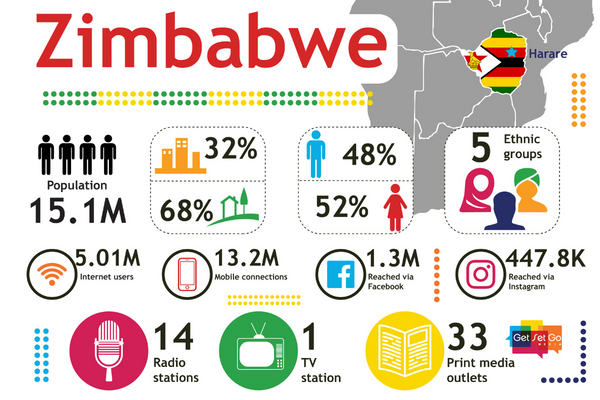
Since gaining independence, Namibia has enjoyed peace and political stability. It has a favourable economic outlook and numerous business opportunities. English is widely spoken which offers an attractively low barrier to entry for business and marketing communication.
The former German colony gets its name from Namib ― the world’s oldest desert at an estimated 80 million years old. Although the population is relatively small at just 2.5 million people divided into 13 ethnic groups, a stable economy has resulted in the average Namibian being viewed as affluent, ambitious, and willing to try new products.

LESOTHO
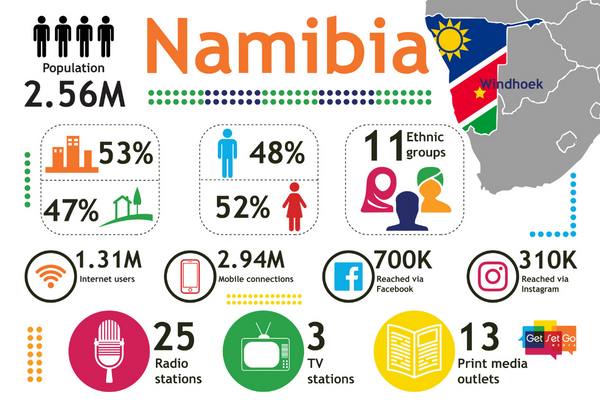
The Kingdom of Lesotho’s government has constantly adjusted policy to encourage and streamline foreign investment, with new laws designed to protect local entrepreneurs in key sectors. The country boasts lower labour, electricity, and communications costs than its neighbours.
Tiny landlocked Lesotho offers visitors a truly unique African experience. Home to AfriSki (one of just a handful of ski resorts in Africa), Sani Mountain Lodge (with the highest pub in Africa), the fifth-largest diamond ever found (910 carats), and Africa’s largest dinosaur footprints (57cm), it’s jam-packed with interest for locals and tourists alike. Lesotho boasts one of the highest literacy rates in Africa, opening a host of advertising opportunities for advertisers.

ESWATINI
Listed first in the 2019 World Bank Ease of Doing Business Index category “Trading Across Borders”, Eswatini boasts an overall economic freedom score above the world average. An educated and highly trainable workforce is connected to neighbouring South Africa via a developed road and rail system.
Formerly known as Swaziland, the tiny landlocked Kingdom of Eswatini can be found squeezed between South Africa and Mozambique. Africa’s second-smallest nation (after The Gambia), it is home to the Big Five and Sibebe Rock ― the world’s second-biggest monolith after Australia’s Uluru. Their economy is linked to and driven by that their main trading partner, South Africa.


MOZAMBIQUE
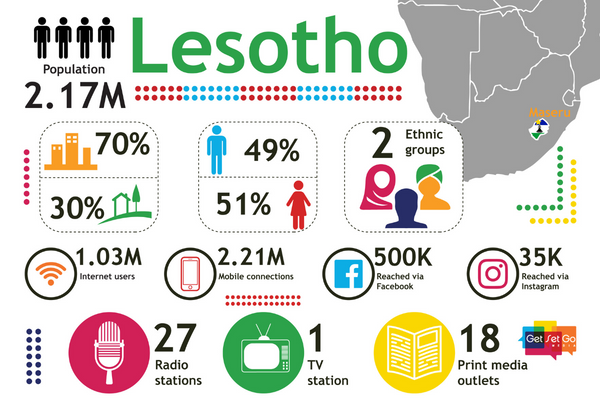
Described as an economically strong nation, Mozambique has shown a consistent rise in consumer demand since 2016. Sustainable development is high on the country’s agenda and a growing urban population is creating demand for services across a wide range of sectors.
The Portuguese-speaking population is split between bustling cities like Maputo and Beira, and remote outlying areas. Stretching a whopping 2,300km from north to south, the diverse climactic conditions support a steadily growing agricultural economy, with gas and oil discoveries set to bring additional investment ― and local spending power ― to this developing country.

ZIMBABWE
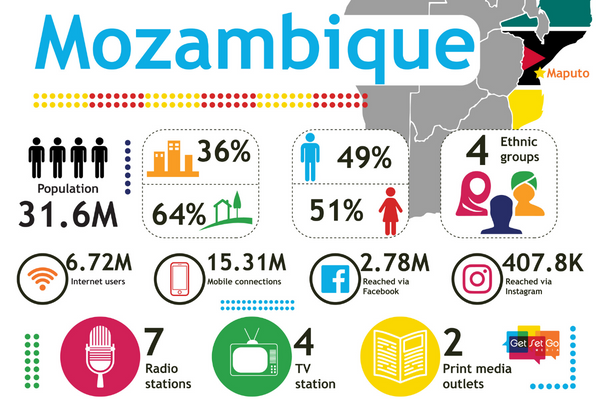
In every crisis lies opportunity and, despite its status on the global scale, Zimbabwe remains an attractive market for a wide array of consumer products and services. The combination of widely spoken English and an extremely high literacy rate make advertising in the country relatively straightforward.
The last African nation to secede from British rule, Zimbabwe boasts the second-biggest platinum deposit on earth. Famous for the Great Zimbabwe Ruins and Victoria Falls, it is a prime tourist destination for regional and international travellers. Although the retail industry has undergone large-scale change since 2010, a well-developed distribution network and thriving informal sector offer opportunity, especially in the FMCG market.